 By Kayla Thompson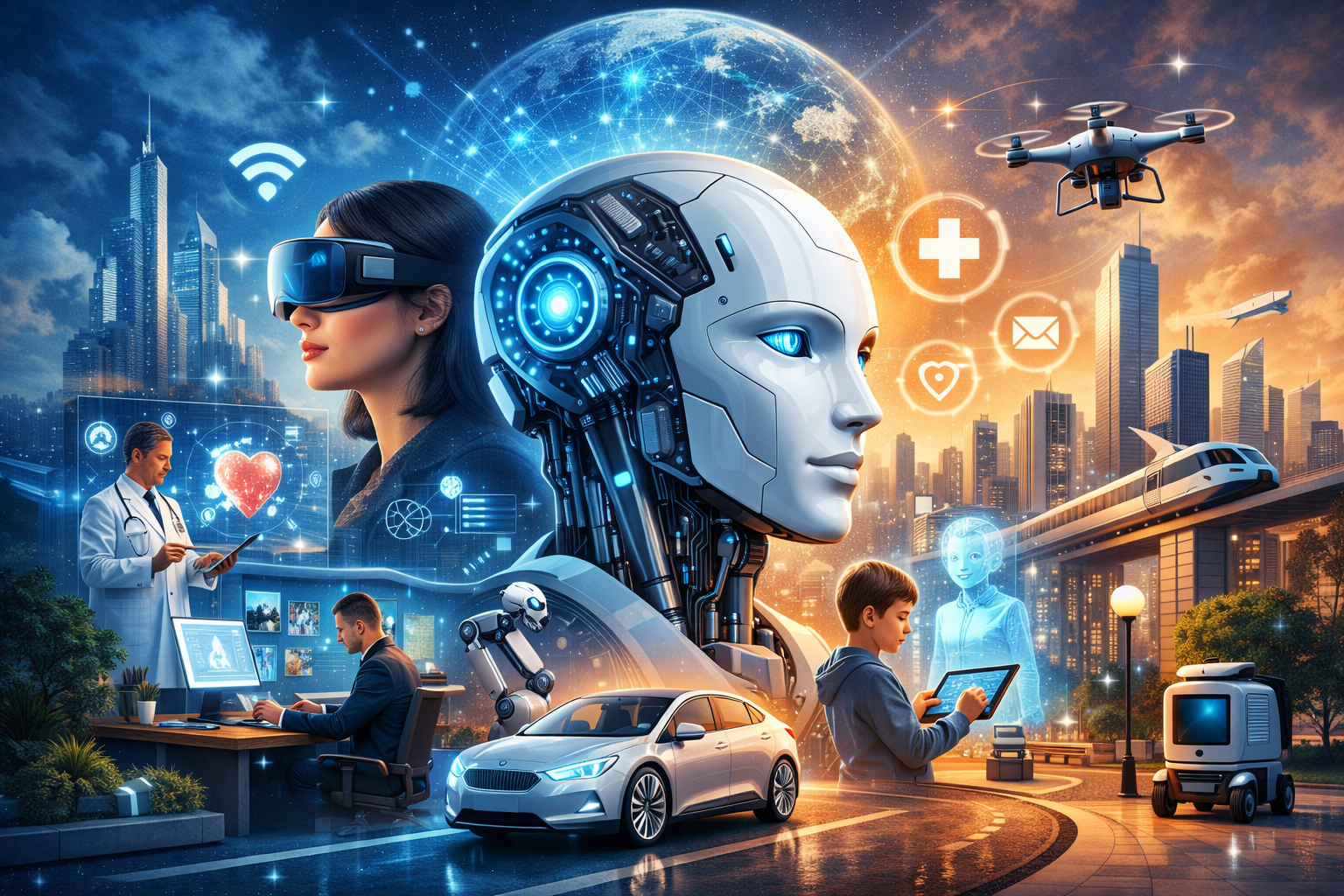
Artificial Intelligence (AI) is no longer a futuristic concept—it has become an essential part of our daily lives. From smartphones and smart homes to healthcare and transportation, AI is reshaping how we work, live, and interact with the world. 🌍 Its influence continues to expand, bringing both unprecedented opportunities and new challenges.
🏠 1. AI in Daily Life
AI-powered technologies are deeply integrated into everyday activities. Voice assistants like Siri and Alexa help manage schedules, answer questions, and control smart devices. 📱 Recommendation systems on platforms such as Netflix, YouTube, and Amazon personalize content and shopping experiences, saving time and improving convenience.
💼 2. AI in Work and Productivity
In the workplace, AI significantly enhances efficiency and decision-making. Automation tools handle repetitive tasks such as data entry and customer support through chatbots. 🤖 AI-driven analytics help businesses predict trends, optimize operations, and reduce costs. Rather than replacing humans entirely, AI increasingly augments human capabilities.
🏥 3. AI in Healthcare
AI has revolutionized healthcare by improving diagnosis, treatment, and patient care. Machine learning models can detect diseases earlier by analyzing medical images and patient data. 🧬 Wearable devices powered by AI monitor health conditions in real time, while virtual health assistants support remote care and personalized treatment plans.
🎓 4. AI in Education
Education has become more accessible and personalized thanks to AI. Intelligent tutoring systems adapt learning content to individual student needs. 📚 AI tools also assist teachers with grading, lesson planning, and performance analysis. Online learning platforms use AI to recommend courses and track progress, making lifelong learning easier than ever.
🚗 5. AI in Transportation and Smart Cities
Self-driving technology, traffic prediction systems, and smart city infrastructure are transforming transportation. 🚦 AI helps reduce traffic congestion, improve road safety, and optimize public transportation routes. These innovations contribute to more sustainable, efficient, and livable cities.
⚠️ 6. Challenges and Ethical Considerations
Despite its many benefits, AI raises important concerns. Issues such as data privacy 🔒, algorithmic bias, job displacement, and ethical decision-making must be addressed. Responsible AI development requires transparency, regulation, and collaboration between governments, businesses, and society.
🔮 7. The Future of AI and Human Life
Looking ahead, AI will continue to evolve alongside humanity. The future lies not in AI replacing humans, but in humans and AI working together 🤝. By embracing innovation while addressing ethical challenges, AI can help create a smarter, healthier, and more connected world.